— COMPANY
Image Generation & AI Promting
ROLE
AI Specialist
TOOLS



Set internal guidelines for responsible AI image generation at Boncreations and built hands-on prompting skill, balancing efficient AI use against brand authenticity risks.
// CONTENTS
Context
Description
Results
Learnings
Gallery
TAG 1
TAG 1
TAG 1
TAG 1
— CONTEXT
BEFORE THE PROMPTS, A LINE IN THE SAND.
This wasn't a formal task so much as something I took on myself: figuring out how AI image generation should and shouldn't be used at a company that, like plenty of others, was starting to lean on it heavily. The real risk wasn't the tool, it was the brand starting to feel like an AI-generated feed rather than a real one, especially with clients and followers who'd notice the difference.
— DESCRIPTION
WHERE AI HELPS, AND WHERE IT MISLEADS.
I put together my own guideline covering when AI image generation made sense, how to write prompts properly, and how to get more out of limited credits rather than burning through generations on guesswork. Just as important was deciding where it shouldn't be used at all. The clearest example: never generate an image of a product applied to a surface and post it with language implying we'd actually done that work. That's not a stylistic choice, it's misleading, and I wanted a hard line against it.
That line wasn't always respected. AI imagery got used more freely by stakeholders than I'd have liked, even in cases I'd specifically flagged as risky. Where I did use it deliberately and felt fine about it was lower-stakes content: small category thumbnails and background imagery, representational rather than claiming to show real, applied work.
— RESULTS
A REAL SKILL, NOT JUST A GUIDELINE.
Beyond the policy side, this became genuine hands-on practice. I spent real time learning how to prompt properly, iterating on phrasing and structure to get consistent, usable results rather than relying on luck. A handful of images that came out of that process are very likely still live on the website today.
For AI image generation, not only did I use the prompts but also my own assets to generate new vesions.
— LEARNINGS
KNOWING THE LINE MATTERS MORE THAN THE TOOL.
The real lesson here was about judgment. AI image generation is genuinely useful, but only when there's a clear sense of where it adds value and where it quietly damages trust. Having that line drawn, even if it wasn't always honoured by everyone involved, was the more important outcome than any individual image it produced.
— GALLERY
THE GALLERY (and cases)


— AI Image Generation was used for example, using existing pictures of surfaces were the company already had worked on but these rooms were quite empty. AI was then used to populate the environment and add extra lighting to make it look more appealing while keeping the work we had done on the surfaces.



— Image Generation was also used for background drops where our product assets and templates could be placed on. The background would acquire a different texture and color to represent the product category more adequately.

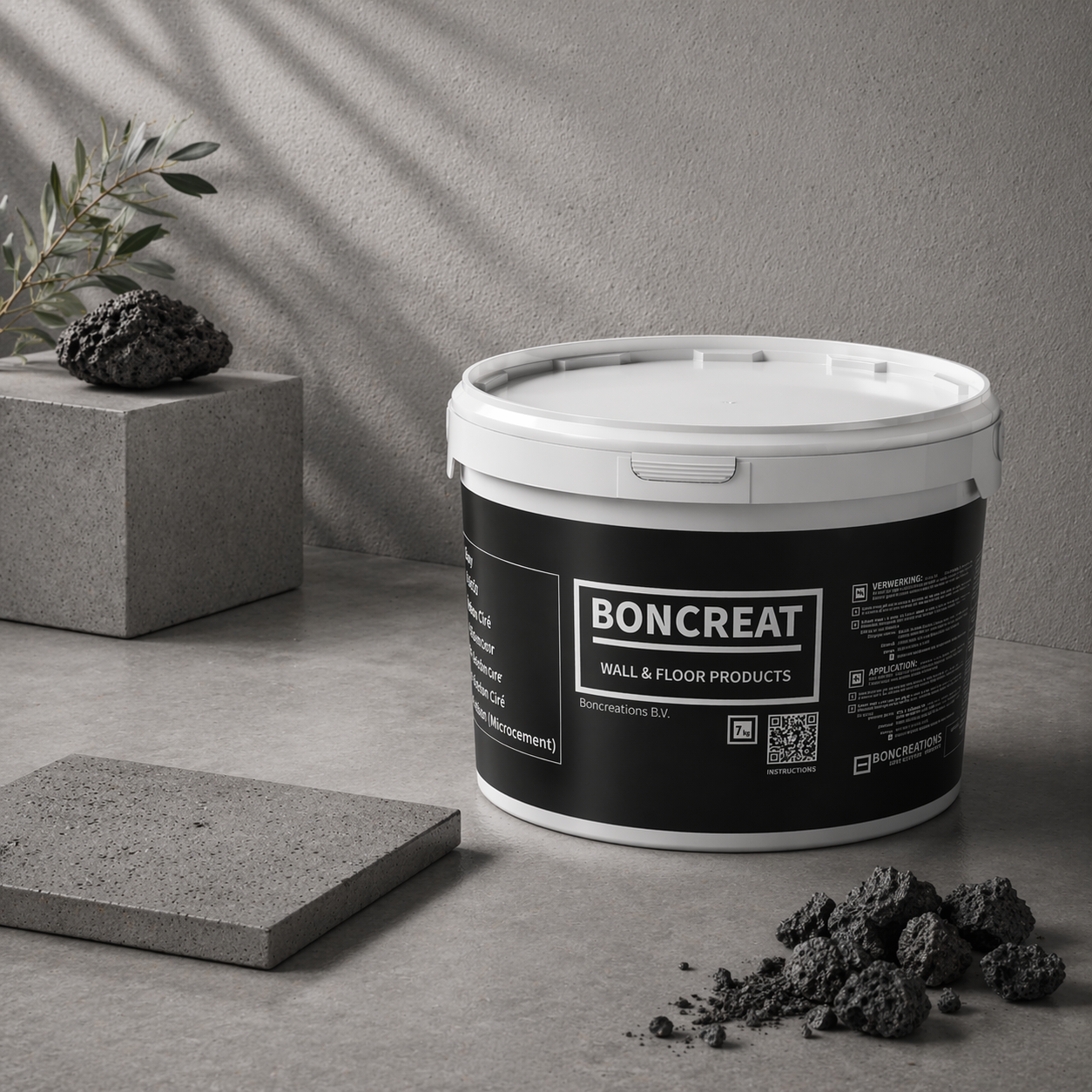
— It was also used to create category images for banners and background such as this bucket representing a product known as Lavastone. This picture was meant to be used as background for the hero section of this category.


— Furthermore, using the real images of the textures, we generated images that could be used as templates for several others products.


— Following the exmaple above, this background template was later used to place the zoomed in image of a product bucket. This way, the background was not meant as main focus but used as a secondary visual filler.
Let's create something worth noticing
Open to agency roles, in-house growth positions, all-round marketing roles and creative marketing projects.
Based in The Netherlands — available across Europe.
Languages

English

Spanish

Dutch